
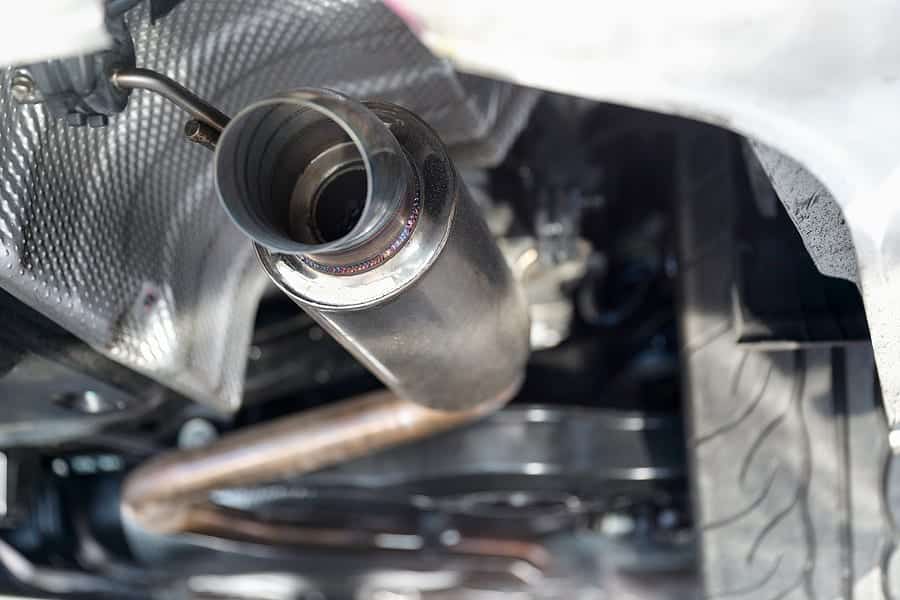
The rear of a car is often judged in a single glance. A driver following in traffic sees the bumper, the lights, the number plate, and the exhaust outlets, and from those few details forms an impression of how carefully the car has been finished. Exhaust trim sits at the centre of that impression. It is small in size, yet it draws the eye because it sits low, it is usually finished in a contrasting material, and it hints at what lies beneath the car.
Why Exhaust Areas Demand a Different Approach
Most exterior trim lives in relatively cool, sheltered places. Exhaust trim does not. It sits close to hot gases, metal pipework, and the underside of the bumper, and it experiences rapid changes in temperature every time the car is started, driven, and parked. Materials that would be perfectly suitable for a mirror cover or a side skirt may behave very differently in this location, and finishes that look flawless in a showroom can change after months of heat cycles.
Clearance matters too. An exhaust outlet that sits too close to the bumper can discolour or damage surrounding trim, while one that sits too far back can look recessed and unfinished. The relationship between the pipe, the trim, and the bumper opening should be checked from directly behind the car, from a low angle, and from the side. Small differences in position are surprisingly visible once the car is on the road.
Materials, Finishes, and What Heat Does Over Time
Composite materials are often chosen for exhaust surrounds because they can offer a distinctive woven appearance and a precise, technical finish. That appearance depends on more than the pattern itself. Resin quality, edge sealing, and the clear coat all influence how a part copes with heat and ultraviolet exposure. A well-made piece should show an even pattern, smooth edges, and a finish without cloudiness or waviness, even around curves and mounting points.
Owners researching a carbon fiber auto exhaust part should therefore ask practical questions before ordering. How is the part fixed, and will it remain secure through heat cycles and vibration? How should it be cleaned, and which products should be avoided? Does it suit the exact bumper, outlet shape, and model year of the car? Clear answers to those questions matter far more than dramatic descriptions of the material alone.
Checking Fit Before Committing
Fitment checks should start with the exact vehicle details: model, model year, trim level, and any factory styling or sports package that changes the rear bumper. Even cars that look similar can have different bumper openings, outlet positions, or diffuser shapes. Photographs of the rear bumper, taken straight on and from a low angle, can help a supplier confirm suitability, but a trial fit remains the most reliable test.
Sound, Appearance, and Realistic Expectations
Exhaust trim is primarily a visual change, and owners should keep expectations realistic about what it can and cannot do. It does not change the sound of the exhaust system, it does not alter engine performance, and it should not be expected to improve fuel economy or handling. Claims that suggest otherwise should be treated with caution, especially when they are not supported by testing on the same model and system.
What trim can do is finish the rear design. A well-chosen surround can make the bumper look more purposeful, draw attention to the width of the car, and tie the exhaust outlets into the overall styling. That effect is strongest when the trim matches the diffuser, lower bumper, and other rear details in tone and finish. A single bright or highly patterned piece surrounded by plain trim can look isolated, while a restrained piece that echoes existing details tends to look more integrated.
Installation, Safety, and Everyday Care
Installation near an exhaust system requires care. The car should be cool before work begins, fixings should be suitable for high-temperature use where they sit close to hot parts, and nothing should be allowed to rest against a pipe that will become hot in use. A professional fitter can check clearances, secure the part correctly, and confirm that heat shielding, where fitted, remains in place and effective.
Frequently Asked Questions
1. Will exhaust trim change how my car sounds?
No, trim around the outlet is a visual change and should not be expected to alter exhaust sound. Sound is determined mainly by the engine and the full exhaust system, including silencers and pipework. Anyone wanting a different sound should research a complete system and check local noise regulations before making changes.
2. How do I check whether a trim piece will fit my car?
Confirm the exact model, model year, trim, and rear bumper type, and share clear photographs of the bumper opening and outlets. A trial fit is the most reliable check, looking for even gaps, secure fixing, and clearance from hot pipework. If the part needs force to sit correctly, seek advice before completing the installation.
3. What cleaning routine best protects a finish near the exhaust?
Let the area cool, wash gently with a suitable car shampoo and a soft cloth, and remove soot promptly. Avoid abrasive materials, harsh solvents, and high-pressure water aimed directly at edges. Inspect fixings and edges regularly, and address chips or movement early to prevent heat and moisture causing further damage.
Conclusion
Exhaust detailing rewards a practical, unhurried approach. Heat, clearance, fitment, and cleaning matter just as much as the pattern or finish, and a part that copes well with daily driving will look better for far longer than one chosen for appearance alone. By confirming compatibility, checking the trial fit carefully, and following a gentle care routine, owners can give the rear of the car a finished, coherent look without creating problems for servicing, safety, or everyday use. The best result is one that still looks intentional after months of commuting, washing, and varied weather, which is the real test of any exterior change.